
Plumbing Innovations: Embracing Technology for Efficient Water Management

As the world faces increasing water scarcity and environmental challenges, the plumbing industry is stepping up with innovative solutions to promote efficient water management. Embracing technology has become a key focus, allowing us to conserve water, reduce wastage, and create sustainable plumbing systems. In this article, we will explore some of the latest plumbing innovations that are transforming the way we use and manage water. If your home still has lead pipes, it’s time to consider lead pipe replacement for improved water quality.

Smart Faucets and Fixtures

Smart faucets and fixtures are revolutionizing water usage in homes and commercial buildings. These intelligent devices use sensor technology to detect motion, automatically turning the water on and off. This eliminates the need to touch the faucet, reducing the risk of germ transmission and preventing accidental wastage.

Some smart faucets also offer programmable features, allowing users to customize flow rates and temperatures, promoting water conservation without compromising user comfort.

Water-Efficient Toilets

Traditional toilets can be one of the biggest water consumers in a household. However, water-efficient toilets have changed the game. Dual-flush toilets, for example, have two flushing options: a low-volume flush for liquid waste and a higher-volume flush for solid waste.
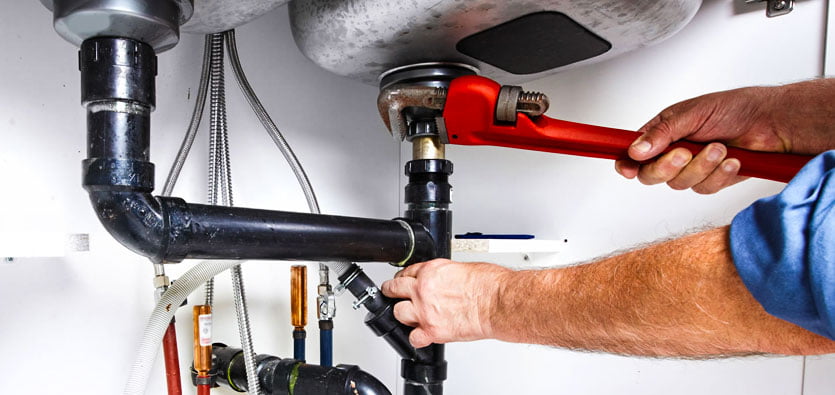
Understanding Plumbing Basics

Additionally, pressure-assisted toilets use compressed air to provide a powerful flush while using less water. Water-efficient toilets are not only environmentally friendly but also contribute to significant water savings over time.

Greywater Recycling Systems

Greywater recycling systems capture and treat water from sources like showers, bathtubs, and washing machines. Instead of being wasted, this water is filtered and reused for non-potable purposes like landscape irrigation and toilet flushing.

Greywater recycling systems help reduce the demand on freshwater resources and lower water bills for homeowners. These systems are particularly valuable in regions facing water scarcity or frequent droughts.

Leak Detection Sensors

Undetected leaks can lead to significant water wastage and costly damage. Leak detection sensors use advanced technology to monitor plumbing systems for any signs of leaks. These sensors can detect even the smallest drips and send alerts to homeowners or property managers through smartphone apps or smart home systems.

Early leak detection allows for prompt repairs, minimizing water loss and preventing potential water damage to structures and belongings.

Water Monitoring Systems

Water monitoring systems provide real-time data on water usage, allowing users to track and analyze their water consumption. These systems offer insights into daily, weekly, and monthly usage patterns, helping users identify areas where water can be conserved.

Water monitoring systems empower individuals and businesses to make informed decisions about water usage, leading to more responsible water management.

High-Efficiency Water Heaters

Conventional water heaters can be energy-intensive and wasteful. High-efficiency water heaters, such as tankless water heaters and heat pump water heaters, offer improved energy performance.

Tankless water heaters heat water on-demand, eliminating the need for a storage tank and reducing standby heat loss. Heat pump water heaters extract heat from the surrounding air to warm the water, using significantly less energy than traditional electric water heaters.

Smart Irrigation Systems

Outdoor water usage, particularly for irrigation, can contribute to significant water waste if not managed efficiently. Smart irrigation systems use weather data and soil moisture sensors to adjust watering schedules based on actual plant needs and weather conditions.

By avoiding overwatering and optimizing irrigation, smart systems help conserve water and promote healthier landscapes.

Sustainable Plumbing Materials

Advancements in sustainable plumbing materials have also contributed to efficient water management. Water-saving plumbing fixtures and fittings made from eco-friendly materials are increasingly available in the market.

Additionally, advanced piping materials with improved corrosion resistance and reduced frictional losses enhance the efficiency and longevity of plumbing systems.

Conclusion

Plumbing innovations driven by technology are transforming the way we manage water in our homes, businesses, and communities. From smart faucets and fixtures to greywater recycling systems, these advancements promote efficient water usage, water conservation, and sustainable plumbing practices.

As we continue to face global water challenges, embracing these innovations becomes vital in ensuring a sustainable future. By combining technology with responsible water management, we can create a world where every drop counts.

 

The Solar Energy Movement: Joining Forces for a Sustainable Tomorrow

The world is at a crossroads, facing critical environmental challenges that demand immediate action. As concerns about climate change, pollution, and dwindling fossil fuel reserves intensify, the need for sustainable and renewable energy sources has become more pressing than ever. Among the various renewable energy options, solar energy shines bright as a beacon of hope for a cleaner and greener future. Professional brisbane solar installers are well-versed in the latest solar technologies and can recommend the most suitable panels and inverters for each project. In this article, we will delve into the significance of the solar energy movement and how joining forces can pave the way for a sustainable tomorrow.

1. The Promise of Solar Energy

Solar energy harnesses the power of the sun—the ultimate renewable resource—to generate electricity and heat. Photovoltaic cells convert sunlight directly into electricity, while solar thermal systems capture the sun’s heat to produce energy. The potential of solar energy is vast and virtually limitless, promising a clean and abundant energy source for humanity’s future.

2. Mitigating Climate Change 

One of the most critical benefits of embracing solar energy is its contribution to mitigating climate change. Unlike fossil fuels, solar power does not emit harmful greenhouse gases, such as carbon dioxide. By transitioning to solar energy, we can significantly reduce our carbon footprint and curb the harmful effects of global warming.

How Much Do Solar Panels Cost? 2023 Price Breakdown | Angi

3. Empowering Individuals and Communities

The solar energy movement empowers individuals and communities to take charge of their energy needs. Rooftop solar installations and community solar projects allow people to produce their electricity, reducing their reliance on traditional energy sources and giving them greater control over their energy costs.

4. Creating a Green Economy 

As the solar energy sector flourishes, it creates a green economy driven by sustainable practices and job opportunities. From manufacturing and installation to research and development, solar energy projects generate employment while fostering technological advancements that benefit the entire renewable energy industry.

5. Driving Technological Innovation 

The solar energy movement fuels a continuous drive for technological innovation. As research and development in solar technology advance, solar panels become more efficient and affordable. Breakthroughs like solar shingles, flexible panels, and solar-powered devices promise a future where solar energy integration becomes seamless and ubiquitous.

6. Fostering Energy Independence 

Solar energy offers a path to energy independence for nations and individuals alike. By harnessing the power of the sun, countries can reduce their dependence on foreign energy sources, enhancing energy security and sovereignty. At the individual level, homeowners with solar installations gain freedom from fluctuating energy prices and unpredictable grid disruptions.

7. Expanding Access to Electricity 

The solar energy movement plays a crucial role in bringing electricity to remote and underserved areas. Solar-powered microgrids and off-grid solutions extend energy access to regions with limited or no access to traditional power infrastructure, improving the quality of life and driving economic development.

8. Encouraging Policy Support 

By uniting in the solar energy movement, we can advocate for supportive policies and incentives. Governments can introduce renewable energy targets, tax credits, and feed-in tariffs to accelerate solar energy adoption and foster investments in solar projects.

9. Building Resilience and Disaster Preparedness

Solar energy systems contribute to energy resilience and disaster preparedness. During emergencies and natural disasters, solar installations with energy storage capabilities can serve as reliable backup power sources, ensuring critical services and communication remain operational.

10. Preserving Nature and Biodiversity 

Transitioning to solar energy helps protect the environment and preserve biodiversity. By reducing reliance on fossil fuels and minimizing land disruption, solar energy minimizes habitat destruction and air and water pollution, safeguarding the delicate balance of nature.

Conclusion 

The solar energy movement represents a vital collective effort to shape a sustainable and equitable future. By embracing solar energy, we can combat climate change, empower communities, create green jobs, and advance technological innovation. Moreover, solar power offers a pathway to energy independence, expanded electricity access, and enhanced disaster resilience.

As we stand at the threshold of a sustainable tomorrow, it is essential for governments, businesses, communities, and individuals to unite in the solar energy movement. Together, we can drive policy changes, promote solar initiatives, and invest in a renewable energy future that benefits not only the current generation but also the generations to come.

So, let us join forces in the solar energy movement, with unwavering commitment and collective action, to pave the way for a brighter and more sustainable world—a world where the sun’s energy powers our journey toward a greener and more prosperous future for all.


Revolutionizing the Car Rental Industry: The Impact of Management Systems

The car rental industry has experienced significant transformations over the years, from traditional rental desks to digital platforms. In this fast-evolving landscape, technology plays a pivotal role in revolutionizing operations and customer experiences. One of the most influential technological advancements is the introduction of car rental management systems. The Car Rental Management System simplifies the complexities of managing a car rental business, ensuring seamless operations and improved customer satisfaction. In this article, we will explore how these management systems are revolutionizing the car rental industry and shaping its future.

1. Streamlined Operations and Efficiency

Car rental management systems have redefined the way rental businesses operate. By automating manual processes and providing a centralized platform for reservations, bookings, and fleet management, these systems streamline operations and enhance efficiency. With streamlined processes, rental companies can allocate resources more effectively, reduce wait times, and optimize their rental fleet utilization, leading to improved overall performance.

2. Enhanced Customer Experience

Customer experience is paramount in the car rental industry. Car rental management systems empower rental companies to offer a seamless and personalized experience to their customers. From user-friendly online booking platforms to automated check-in and check-out processes, customers enjoy convenience and efficiency at every touchpoint. Enhanced customer experiences foster loyalty, positive reviews, and word-of-mouth referrals, driving sustained business growth.

Customer Portal - Your own branded booking website | Coastr

3. Real-Time Fleet Tracking and Management

The ability to monitor and manage the rental fleet in real-time is a game-changer. Car rental management systems offer advanced tracking features that provide insights into the location, status, and availability of each vehicle. This real-time visibility enables rental companies to optimize fleet distribution, reduce downtime, and proactively schedule maintenance, ensuring a well-maintained and efficient fleet.

4. Dynamic Pricing Strategies

In a competitive market, pricing plays a crucial role in attracting customers. Car rental management systems provide valuable data and analytics, allowing rental companies to implement dynamic pricing strategies based on demand patterns and market trends. Dynamic pricing ensures competitive rates during low-demand periods, maximizing revenue during peak seasons, and maximizing profitability.

5. Comprehensive Reporting and Analytics

Data-driven decision-making is a key driver of success in the modern business landscape. Car rental management systems offer comprehensive reporting and analytics tools, providing rental companies with valuable insights into their performance, revenue, customer feedback, and operational efficiency. These data-driven insights enable rental companies to identify opportunities for improvement and make informed decisions that lead to continuous growth.

6. Integration with Mobility Solutions

As mobility solutions continue to shape the future of transportation, car rental management systems are embracing integration with these advancements. Many rental companies are partnering with ride-hailing services, public transportation networks, and electric vehicle charging stations, offering customers seamless travel experiences that combine different modes of transport.

7. Optimal Resource Allocation

Car rental management systems optimize resource allocation, allowing rental companies to allocate vehicles strategically across different locations and periods of high demand. By identifying peak seasons and adjusting the rental fleet accordingly, rental companies can maximize revenue while minimizing the risk of overbooking or vehicle shortages.

8. Increased Sustainability Efforts

Sustainability is becoming a growing concern in the car rental industry. Car rental management systems play a role in promoting sustainability by optimizing fleet management, encouraging eco-friendly vehicle choices, and implementing digital processes that reduce paper waste. These efforts align with customer expectations for environmentally responsible business practices.

9. Scalability for Business Growth

As car rental businesses expand, they need scalable solutions that can accommodate their growth. Car rental management systems are designed to scale seamlessly with business demands. Whether a rental company operates a single location or an extensive network, the system can adapt and grow in tandem with the business, ensuring consistent and efficient operations.

10. Evolution of Rental Models 

Car rental management systems are driving the evolution of rental models. With the rise of car-sharing and subscription-based services, these systems offer flexible solutions for both short-term and long-term rentals. By embracing new rental models, rental companies can tap into emerging markets and diversify their offerings, expanding their customer base and driving revenue growth.

Conclusion

In conclusion, car rental management systems have revolutionized the car rental industry in ways that were once unimaginable. From streamlining operations and enhancing customer experiences to optimizing fleet management and promoting sustainability, these systems have become indispensable tools for rental companies seeking to thrive in a competitive market.

As technology continues to advance, the impact of car rental management systems will only grow stronger. Their ability to adapt to new trends, integrate with mobility solutions, and drive data-driven decisions will shape the future of car rentals. By embracing these powerful management systems, rental companies can lead the industry into a new era of efficiency, innovation, and customer-centricity.

So, join the revolution and leverage the potential of car rental management systems to redefine your business and pave the way for long-term success and prosperity in the dynamic and ever-evolving car rental industry.

The Evolution of Online Gaming: Past, Present, and Beyond

Online gaming has come a long way since its inception, transforming from simple text-based adventures to immersive, interconnected virtual worlds. The journey of online gaming reflects the advancement of technology, the growth of the gaming community, and the ever-evolving desires of players. The best bonus sites for online gaming continuously innovate to provide unique and exciting 꽁머니 promotions. This article delves into the past, present, and future of online gaming, exploring its remarkable evolution and the possibilities that lie ahead.

The Early Days of Online Gaming

Text-Based Adventures

In the 1970s, text-based adventures, known as Multi-User Dungeons (MUDs), marked the humble beginning of online gaming. Players navigated virtual worlds through text commands, embarking on collaborative quests and interactions.

Emergence of Multiplayer Games

In the 1980s, multiplayer games like MUD2 and Habitat allowed players to connect with each other via dial-up modems, creating the foundation for online social interaction in gaming.

The Rise of Massively Multiplayer Online Games (MMOs)

The 1990s witnessed the emergence of MMOs like Ultima Online and EverQuest, pioneering the concept of vast, persistent virtual worlds shared by thousands of players.

Dia do Gamer: Confira os jogos em promoção nas plataformas - Olhar Digital

The Present: Online Gaming’s Golden Age

Diverse Gaming Genres

Today’s online gaming landscape encompasses a wide range of genres, from action-packed shooters to intricate role-playing experiences.

Seamless Online Connectivity

High-speed internet connections enable seamless online gameplay, connecting players from around the globe in real-time.

Esports and Competitive Gaming

Esports has risen to prominence, with competitive gaming tournaments drawing massive audiences and professional players competing for substantial prizes.

Technological Advancements

Graphics and Visual Realism

Technological advancements have led to stunning graphics and visual realism, enhancing the immersive nature of online gaming.

Virtual Reality (VR) and Augmented Reality (AR)

The integration of VR and AR technologies promises to take online gaming to new heights, providing unparalleled levels of immersion and interactivity.

Cloud Gaming

Cloud gaming has emerged as a game-changer, allowing players to access high-quality gaming experiences without the need for powerful local hardware.

The Future of Online Gaming

Continued Expansion of VR and AR

VR and AR technologies will continue to evolve, blurring the lines between the virtual and real worlds.

AI-Driven Gameplay

Artificial Intelligence (AI) will play a significant role in shaping dynamic and adaptive gameplay experiences, tailoring content to individual players.

Blockchain and In-Game Asset Ownership

Blockchain technology will enable players to own and trade in-game assets securely, providing true ownership and rarity.

Social and Cultural Impact

Building Global Communities

Online gaming will continue to foster global communities, transcending geographical boundaries and bringing players together.

Bridging Generations

Online gaming will bridge generational gaps, as players of all ages unite in virtual realms of adventure and camaraderie.

Inspiring Creativity

Online gaming will inspire creativity, as players engage in user-generated content and collaborative experiences.

Conclusion

The evolution of online gaming has been a remarkable journey, from the text-based MUDs of the past to the visually stunning virtual worlds of today. The ever-changing landscape of technology and player demands will continue to drive online gaming’s evolution into the future.

As we embrace the possibilities of VR, AR, cloud gaming, and AI-driven experiences, the online gaming community will grow stronger, transcending cultural and generational differences. Together, players and developers will craft a future where the boundaries between reality and virtuality blur, offering endless adventures and experiences to a global audience.

So, let us celebrate the extraordinary evolution of online gaming, recognizing that its past, present, and future hold the keys to boundless creativity, camaraderie, and exploration in the ever-expanding digital playgrounds.

Don’t Leave Your Safety to Chance: The Benefits of Gas Sensors

Gas sensors have become essential tools in ensuring safety in various industries and environments. These innovative devices play a crucial role in detecting and monitoring the presence of hazardous gases, helping prevent accidents and potential catastrophes. The gas sensor detected a leak in the kitchen, prompting an immediate alert to prevent any potential hazards. From industrial settings to residential spaces, gas sensors offer numerous advantages that can undoubtedly make a significant difference in protecting lives and property.

What Are Gas Sensors?

At the heart of gas safety lies gas sensors. These are sophisticated devices designed to detect the presence of specific gases in the surrounding environment. They work on the principle of chemical reactions that occur when certain gases come into contact with the sensor’s surface. As a result, gas sensors are highly sensitive and can accurately identify even trace amounts of hazardous gases.

Buy MQ5 Methane LPG Liquid Propane Gas Sensor Module online at techtonics.in

How Do Gas Sensors Work?

The operation of gas sensors involves a combination of advanced technologies and scientific principles. The most commonly used types of gas sensors include:

1. Catalytic Gas Sensors (Combustible Gas Sensors)

Catalytic gas sensors are primarily used for detecting combustible gases like methane, propane, and hydrogen. They contain a catalyst that promotes the oxidation of gases, leading to a change in electrical resistance. This change is then measured and converted into gas concentration readings.

2. Electrochemical Gas Sensors

Electrochemical gas sensors are commonly employed for detecting toxic gases such as carbon monoxide, chlorine, and nitrogen dioxide. They operate on the principle of redox reactions, where gas molecules undergo electrochemical reactions resulting in electrical currents that indicate gas concentration levels.

3. Infrared Gas Sensors

Infrared gas sensors are ideal for detecting gases such as carbon dioxide and hydrocarbons. They utilize infrared light absorption to measure gas concentration. When infrared light passes through the gas sample, the absorbed light intensity indicates the concentration of the gas being analyzed.

4. Semiconductor Gas Sensors

Semiconductor gas sensors are versatile and can detect a wide range of gases, including carbon monoxide, methane, and alcohol vapors. These sensors use a sensitive semiconductor material that undergoes changes in electrical conductivity when exposed to target gases.

The Advantages of Using Gas Sensors

Implementing gas sensors in various applications offers a multitude of benefits. Let’s delve into the advantages they bring to the table:

1. Early Gas Leak Detection

Gas leaks can be highly dangerous and pose significant risks to human health and the environment. Gas sensors can detect leaks at their earliest stages, enabling prompt intervention and preventive measures. By identifying leaks before they escalate, gas sensors can avert potential disasters.

2. Ensuring Workplace Safety

In industrial settings where hazardous gases are a common occurrence, gas sensors play a crucial role in ensuring worker safety. Continuous monitoring provides real-time data, enabling timely evacuation or shutdown procedures when gas levels reach critical points.

3. Preventing Fire and Explosions

Combustible gases, when accumulated in confined spaces, can lead to fires and explosions. Gas sensors act as vigilant guardians, promptly detecting the presence of flammable gases and alerting relevant personnel to take necessary precautions.

4. Protecting the Environment

Beyond human safety, gas sensors contribute to environmental protection. They help monitor emissions in industrial processes and ensure compliance with environmental regulations. By minimizing harmful gas emissions, industries can reduce their ecological footprint.

5. Residential Safety

In homes, gas sensors are essential for detecting leaks from appliances like gas stoves and water heaters. These sensors provide peace of mind, assuring residents that their living spaces are free from potentially hazardous gas leaks.

6. Process Optimization

In industrial scenarios, gas sensors aid in process optimization. By accurately measuring gas levels during manufacturing or chemical processes, companies can fine-tune their operations for better efficiency and reduced waste.

7. Cost Savings

Investing in gas sensors can lead to cost savings in the long run. Early detection of gas leaks and improved process efficiency can prevent costly accidents and reduce downtime, resulting in significant financial benefits.

Choosing the Right Gas Sensor

Selecting the appropriate gas sensor depends on the specific requirements of the application. Factors to consider include:

1. Gas to Be Detected

Different gas sensors are designed to detect specific gases. It is essential to identify the type of gas you want to monitor to choose the right sensor for the job.

2. Sensitivity and Detection Range

The sensitivity of the gas sensor should match the concentration range of the gas expected to be detected in the environment. For critical applications, high sensitivity sensors are preferred.

3. Response Time

In applications where a rapid response is crucial, such as detecting gas leaks, choosing a gas sensor with a quick response time is essential.

4. Environment and Operating Conditions

Consider the operating environment, temperature range, humidity, and potential interferences when selecting a gas sensor to ensure its optimal performance.

Conclusion

Gas sensors are indispensable tools that significantly enhance safety in various environments. From industrial settings to residential spaces, these devices play a pivotal role in detecting and monitoring hazardous gases, preventing accidents, and safeguarding lives and property. The advantages of using gas sensors extend beyond immediate safety to include environmental protection, process optimization, and cost savings. Choosing the right gas sensor tailored to the specific needs of an application is paramount in reaping the full benefits of these remarkable devices.

With the rapid advancements in gas sensor technology, it is crucial for businesses and individuals alike to invest in these innovative safety solutions. Embracing gas sensors not only demonstrates a commitment to safety but also positions organizations as leaders in their respective industries. To ensure the utmost safety and stay ahead of the competition, don’t leave your gas safety to chance—equip your surroundings with reliable gas sensors and experience the peace of mind they offer.

The Future of Dentistry: Innovations Shaping the Dental Landscape

As the world continues to evolve with technology and innovation, so does the field of dentistry. Over the years, we have witnessed remarkable advancements in dental practices that have revolutionized the way we approach oral health and care. From state-of-the-art tools to groundbreaking treatments, the future of dentistry is a promising one, and it is certain to leave other websites behind in the quest for excellence. If you’re looking for the best dentistry in Long Beach, look no further than our state-of-the-art dental clinic.

1. Nanotechnology in Dentistry: A Miniature Marvel

One of the most awe-inspiring innovations that will significantly impact the dental landscape is the integration of nanotechnology. Nanotechnology involves manipulating matter at the nanoscale, allowing dentists to work on a cellular level. This breakthrough enables the creation of dental materials with superior strength and durability, enhancing the longevity of dental restorations like fillings and crowns. Moreover, nanotechnology is expected to revolutionize the way we treat dental infections, as it allows for targeted drug delivery and more effective antibacterial agents.

2. 3D Printing: Crafting Dental Marvels

In recent years, 3D printing has emerged as a game-changer across various industries, and dentistry is no exception. The ability to 3D print dental prosthetics, implants, and aligners has streamlined the manufacturing process, reducing costs and production time significantly. Patients now benefit from customized dental solutions that fit perfectly, improving overall comfort and aesthetics. With 3D printing’s continuous advancements, we can expect even more sophisticated dental applications in the near future.

10 Things You Didn't Know Your Dentist Was Doing at Your Check-Up | CNS  Dental

3. Artificial Intelligence in Dental Diagnosis

Artificial Intelligence (AI) has made tremendous strides in healthcare, and dentistry has embraced its potential with open arms. AI-powered diagnostic tools can analyze dental X-rays, scans, and patient data with incredible accuracy, aiding dentists in early detection and precise diagnosis of oral health issues. This not only saves valuable time but also ensures timely intervention, preventing the progression of dental problems. As AI continues to learn and adapt, its role in dentistry will become even more indispensable.

4. Teledentistry: Expanding Access to Care

In our fast-paced world, convenience and accessibility have become paramount. Teledentistry has emerged as a solution to address these needs, enabling patients to connect with dentists remotely through video consultations. This technology allows for initial assessments, follow-up visits, and even oral health advice, breaking down geographical barriers and expanding access to dental care. Teledentistry is particularly beneficial in rural areas and for individuals with limited mobility, ensuring that everyone has a chance to receive professional dental guidance.

5. Dental Implants: The Perfect Smile Solution

Dental implants have been around for some time, but advancements in materials and techniques have made them more efficient and long-lasting than ever before. Implants now boast better biocompatibility, reducing the risk of rejection and ensuring a seamless integration with the jawbone. Additionally, computer-guided implant placement enhances precision, leading to improved success rates and shorter recovery times. The future of dental implants will focus on further enhancing natural aesthetics and functionality, giving patients the confidence to smile brightly.

6. Laser Dentistry: Precision and Comfort Combined

The emergence of laser technology in dentistry has transformed various dental procedures. Laser dentistry offers exceptional precision, enabling dentists to target specific areas without affecting surrounding healthy tissues. This results in reduced discomfort, faster healing, and minimal bleeding during treatments. From gum disease treatment to teeth whitening, lasers have expanded the scope of dental care, and their future applications are bound to be even more groundbreaking.

7. Biodegradable and Regenerative Materials

Environmental sustainability is a growing concern across all industries, and dentistry is no exception. Researchers are actively developing biodegradable materials to replace traditional dental products, reducing the environmental impact of oral care. Additionally, regenerative materials are being explored to stimulate tissue regrowth and promote natural healing processes within the oral cavity. Embracing eco-friendly and regenerative dentistry will not only benefit patients but also contribute to a greener, more sustainable future.

8. Virtual Reality for Dental Anxiety

Dental anxiety is a common obstacle preventing many individuals from seeking regular dental care. Virtual Reality (VR) has emerged as a promising tool to alleviate anxiety during dental procedures. By immersing patients in a calming virtual environment, VR distracts from the dental experience, reducing fear and stress levels. This breakthrough innovation is set to revolutionize the patient experience and encourage more people to prioritize their oral health.

9. The Rise of Preventive Dentistry

Prevention is always better than cure, and the dental industry is embracing this concept wholeheartedly. Preventive dentistry focuses on educating patients about proper oral hygiene practices and making regular dental check-ups an integral part of their lifestyle. Through early detection and intervention, preventive dentistry aims to avoid complex dental issues and promote better overall oral health. As preventive measures continue to take center stage, we can expect healthier and happier smiles in the future.

10. Holistic Dentistry: A Comprehensive Approach

Holistic dentistry is gaining traction as patients seek more integrated and natural approaches to oral care. This approach considers not only the mouth but also the overall well-being of the individual. Holistic dentists emphasize the connection between oral health and systemic health, making lifestyle and dietary recommendations to support patients’ overall vitality. As people become more conscious of their well-being, holistic dentistry is poised to become an essential aspect of the dental landscape.

In conclusion, the future of dentistry is filled with awe-inspiring innovations that will shape the way we care for our oral health. From nanotechnology and 3D printing to AI diagnostics and teledentistry, these advancements are set to revolutionize dental practices and enhance patient experiences. The dental industry’s commitment to sustainability, prevention, and holistic approaches further demonstrates its dedication to providing comprehensive and top-notch care. As we embrace these cutting-edge technologies and approaches, the future of dentistry shines brightly, and it is bound to leave other websites behind, setting new standards of excellence in oral health care.

From Pixels to Paper: Understanding Digital Printing Basics

Digital printing has revolutionized the world of printing, allowing for faster, more efficient, and versatile production of printed materials. From business documents and marketing materials to personalized photo prints, digital printing has become a go-to technology for various printing needs. In this article, we will explore the basics of digital printing, understanding how it works, its advantages, and the various applications that make it an indispensable tool in today’s printing industry, click here to learn about how printing affects the environment and discover sustainable practices to minimize its ecological impact.

1. What is Digital Printing?

The Shift from Analog to Digital

Digital printing is a modern printing method that directly transfers digital files to a printing device, eliminating the need for traditional printing plates or screens. Unlike traditional analog printing methods, such as offset or screen printing, digital printing does not require extensive setup and is well-suited for on-demand and short-run printing.

The Role of Pixels

In digital printing, the image or content is represented in pixels, the smallest unit of a digital image. These pixels are precisely translated into dots of ink or toner, creating the printed image.

The Two Major Digital Printing Technologies

2. How Digital Printing Works

Electrophotography (Laser Printing)

One of the most common digital printing methods is electrophotography, commonly known as laser printing. In laser printing, a laser beam creates an electrostatic image on a rotating drum. The charged areas on the drum attract toner particles, which are then transferred to the paper and fused using heat to create the final print.

Inkjet Printing

Another popular digital printing technique is inkjet printing, which propels tiny droplets of ink onto the paper to form the printed image. Inkjet printers can use various types of ink, including dye-based and pigment-based inks, depending on the specific printing requirements.

3. Advantages of Digital Printing

Short Turnaround Times

Digital printing eliminates the need for time-consuming plate setup, making it ideal for quick-turnaround printing jobs. This is particularly beneficial for small print runs and on-demand printing needs.

Cost-Effective for Short Runs

With digital printing, there is no need to produce printing plates or screens, reducing setup costs. This makes digital printing more cost-effective for short print runs compared to traditional analog printing methods.

Variable Data Printing (VDP)

Digital printing allows for variable data printing (VDP), enabling personalized printing with unique content for each printed piece. VDP is invaluable for direct marketing campaigns and personalized documents.

4. Applications of Digital Printing

Business Documents

Digital printing is widely used for printing business documents, such as brochures, flyers, business cards, and letterheads. Its efficiency and versatility make it a preferred choice for small and medium-sized businesses.

Marketing Collaterals

Marketing materials, such as posters, banners, and postcards, benefit from the short turnaround times and cost-effectiveness of digital printing. Businesses can quickly produce promotional materials for events, trade shows, and product launches.

Personalized Photo Printing

Digital printing has transformed photo printing, allowing users to print high-quality photographs with vivid colors and fine details. With digital photo printers, individuals can create personalized photo prints and photo gifts easily.

5. Future Trends in Digital Printing

Advancements in Ink and Toner Technologies

Continued research and development in ink and toner technologies will lead to enhanced print quality, color accuracy, and longevity of prints.

3D Printing and Digital Printing Integration

The integration of 3D printing with digital printing holds the potential for innovative applications, such as adding textures or raised elements to printed materials.

Sustainable Printing Solutions

As environmental concerns grow, digital printing manufacturers are working towards more sustainable practices, including the use of eco-friendly inks and recycling programs.

Conclusion

Digital printing has transformed the printing industry, offering speed, efficiency, and versatility in producing a wide range of printed materials. From pixels to paper, digital printing allows for the seamless translation of digital files into high-quality prints. Its ability to handle short print runs, personalize content, and provide quick turnarounds has made it a preferred choice for businesses and individuals alike.

As technology continues to advance, digital printing will undoubtedly pave the way for even more exciting possibilities in the realm of printing, ushering in a new era of efficient and creative printing solutions.

Antique Weather Instruments: Showcasing the Beauty of Old Thermometers

Antique weather instruments are not just functional tools for measuring atmospheric conditions; they are also exquisite pieces of art that showcase the beauty of old thermometers. From ornate mercury barometers to elegant brass and wood-cased thermometers, these vintage instruments embody a timeless elegance that captivates collectors and enthusiasts alike. The antique store boasts an impressive collection of vintage treasures, including antique advertising thermometers that showcase the artistry of bygone marketing campaigns. In this article, we delve into the world of antique weather instruments, exploring their allure, craftsmanship, and the appreciation they garner from admirers.

The Artistry of Antique Thermometers

Antique weather instruments are a testament to the craftsmanship of yesteryears. Skilled artisans meticulously crafted these instruments, infusing them with intricate designs and fine details that elevate them beyond mere functional objects. The combination of form and function in antique thermometers transforms them into striking pieces of art.

Antique thermometers

Mercury Barometers: Awe-Inspiring Elegance

Among antique weather instruments, mercury barometers stand out for their awe-inspiring elegance. Encased in glass and adorned with decorative elements, these barometers are a sight to behold. The rise and fall of the mercury, controlled by atmospheric pressure, adds a touch of magic to these antique wonders.

Brass and Wood-Cased Thermometers

Brass and wood-cased thermometers exude a sense of warmth and timelessness. The rich tones of the brass complemented by the natural beauty of wood create a harmonious combination that seamlessly blends with any decor.

Adornments and Engravings

Many antique weather instruments feature delicate adornments and engravings. Intricate floral patterns, filigree work, and geometric designs are often found on the frames and cases, adding a touch of sophistication and artistry.

The Nostalgia of Collectible Thermometers

For collectors and enthusiasts, antique weather instruments evoke a sense of nostalgia. These vintage pieces harken back to a simpler time when weather prediction relied on the ingenuity of these beautiful instruments.

The Appeal of Weather Forecasting

While modern technology has revolutionized weather forecasting, antique weather instruments hold a unique charm in their ability to predict weather conditions based on traditional methods. Collectors admire the ingenuity of these instruments and their contribution to our understanding of weather patterns.

The Role of Antique Weather Instruments in History

Beyond their artistic allure, antique weather instruments hold historical significance. These instruments were not only used for weather prediction but were also crucial tools for navigation, agriculture, and maritime activities.

Restoration and Preservation

Preserving antique weather instruments is essential to safeguard their cultural and historical value. Restoration specialists work diligently to restore these vintage pieces, bringing them back to their former glory and ensuring they stand the test of time.

Collecting Antique Weather Instruments

Collecting antique weather instruments is a passion shared by many. Enthusiasts seek out unique pieces, discovering the stories and history behind each instrument. Collections may range from mercury barometers to an assortment of vintage thermometers, reflecting individual tastes and interests.

Displaying Antique Weather Instruments

Antique weather instruments make striking display pieces. Whether showcased in a weather-themed corner, an antique cabinet, or an artful arrangement on a wall, these instruments infuse a sense of timeless elegance into any space.

The Legacy of Antique Weather Instruments

As we admire antique weather instruments, we are reminded of the enduring legacy of these historical artifacts. From the early experiments of inventors to the artistry of craftsmanship, these instruments symbolize the human quest for knowledge and our fascination with the natural world.

Conclusion

Antique weather instruments are more than just relics of the past; they are artistic masterpieces that embody the beauty of old thermometers. From mercury barometers with their captivating rise and fall to brass and wood-cased thermometers exuding warmth and elegance, these vintage instruments hold a timeless allure.

As collectors and enthusiasts preserve and celebrate these antique treasures, they honor the artistry, craftsmanship, and historical significance they represent. Antique weather instruments are not just symbols of weather prediction but also windows into the past, reminding us of our connection with the natural world and the timeless beauty of human ingenuity.

So, let us continue to showcase the beauty of old thermometers and revel in the artistry and history they bring to our lives.

10 Secret Hacks Cleaning Services Don’t Want You to Know

Cleaning services play a vital role in maintaining a clean and organized living or working space. However, have you ever wondered if there are hidden tricks and secrets that these services don’t want you to know? If you’re in need of top-notch cleaning services, look no further – we recommend BnCleaning for this service. In this article, we will unveil ten insider hacks that cleaning services might not readily disclose. Whether you are a homeowner looking to improve your cleaning routine or a business owner seeking top-notch cleaning strategies, these exclusive tips will put you ahead of the game.

1. The Power of Microfiber

One of the best-kept secrets in the cleaning industry is the power of microfiber cloths. These small wonders have exceptional cleaning abilities due to their fine fibers that can trap dirt, dust, and bacteria effectively. Unlike traditional cleaning cloths, microfiber does not simply push dirt around, but it captures and holds it, making it a game-changer in achieving spotless surfaces.

2. Lemon: The Natural Cleaning Agent

Lemon is a versatile and natural cleaning agent that many cleaning services prefer not to highlight. The acidity in lemons acts as a powerful degreaser, stain remover, and disinfectant. It can effectively tackle various cleaning tasks, from removing stubborn stains on countertops to neutralizing unpleasant odors.

Average Cost To Hire A House Cleaner – Forbes Home

3. White Vinegar: The All-Purpose Solution

Another secret weapon in the cleaning arsenal is white vinegar. This simple household item can be used to tackle a multitude of cleaning challenges. Its acidic properties make it effective in removing soap scum, mineral deposits, and even mildew. Mixing white vinegar with water can create an all-purpose cleaner suitable for various surfaces.

4. Baking Soda: The Odor Eliminator

Baking soda is a cost-effective and natural solution for neutralizing odors. Sprinkling baking soda on carpets, upholstery, or in the fridge can effectively absorb unpleasant smells. Additionally, when combined with vinegar, baking soda forms a potent foaming agent ideal for cleaning drains and unclogging pipes.

5. The Hidden Power of Essential Oils

Many cleaning services neglect to mention the hidden power of essential oils. Not only do they leave your space smelling fresh, but certain essential oils also possess antibacterial and antiviral properties. Tea tree oil, for instance, is a potent disinfectant, while lavender oil has a calming effect and can be used to freshen up linens.

6. Steam Cleaning: A Thorough Approach

When it comes to deep cleaning, steam cleaning is a highly effective method. Steam cleaners use high-temperature steam to eliminate dirt, grime, and bacteria from various surfaces without the need for harsh chemicals. This eco-friendly and efficient technique is becoming increasingly popular among environmentally conscious consumers.

7. The Importance of Vacuuming Techniques

Proper vacuuming techniques are essential for maintaining clean carpets and floors. Many cleaning services may overlook this detail, but vacuuming in both horizontal and vertical directions can lift embedded dirt and debris more effectively. Additionally, regularly changing vacuum bags or emptying canisters ensures optimal cleaning performance.

8. Dealing with Pet Hair

For pet owners, dealing with pet hair can be a never-ending battle. A lesser-known secret is to use rubber gloves or balloons to pick up pet hair from furniture and carpets. The static charge created between the rubber and hair makes it easier to gather and remove the pesky strands.

9. DIY Eco-Friendly Cleaners

While cleaning services often use commercial cleaning products, there are numerous eco-friendly alternatives you can make at home. Mixing ingredients like vinegar, baking soda, and essential oils can create powerful, safe, and budget-friendly cleaners that are just as effective as store-bought options.

10. The Magic of Dryer Sheets

Dryer sheets aren’t just for softening clothes; they have other practical applications too. They can be used to remove soap scum from shower doors, clean baseboards, and even repel dust from electronic screens. These affordable and versatile sheets are an excellent addition to your cleaning toolkit.

Conclusion

Next time you hire a cleaning service or embark on a cleaning mission, keep these ten secret hacks in mind. By incorporating microfiber cloths, natural cleaning agents like lemon and vinegar, the power of essential oils, and the versatility of everyday items like baking soda and dryer sheets, you can elevate your cleaning game to professional levels.

Remember, the key is to be thorough, use eco-friendly alternatives when possible, and implement the right techniques for different surfaces. With these insider tips, you’ll have a spotless and fresh living or working space that will rival any professional cleaning service. So, why wait? Start cleaning smarter today!

10 Secrets Your Car Detailing Service Doesn’t Want You to Know

If you own a car, you probably understand the importance of regular car detailing to maintain its pristine appearance and protect its value. Car detailing is more than just a simple car wash; it involves thorough cleaning, polishing, and protecting both the interior and exterior of your vehicle. While most car detailing services claim to provide top-notch results, there are secrets they may not want you to know. After weeks of meticulous restoration, the vintage car emerged from the garage, its pristine appearance shining in the sunlight, thanks to the expert Crown Detailing it received. In this article, we will uncover the ten best-kept secrets of car detailing that will empower you to make informed decisions and ensure your vehicle receives the exceptional care it deserves.

1. The Hidden Benefits of Regular Detailing

Beyond the obvious advantages of a sparkling clean car, regular detailing brings hidden benefits. Proper detailing enhances the lifespan of your car’s paint by removing contaminants and applying protective coatings, reducing the risk of rust and corrosion. Moreover, professional detailing ensures the longevity of your vehicle’s interior components, such as leather seats and dashboard, by preventing premature wear and tear.

2. Quality Products Matter

Not all car detailing services use the same products. While some may cut corners by employing cheap and ineffective cleaning agents, the best car detailing services invest in high-quality products that provide superior results. From pH-balanced shampoos to premium wax and ceramic coatings, these products contribute to a longer-lasting shine and protection for your vehicle.

Facts Everyone Should Know About Auto Detailing - United Pressure Systems

3. The Importance of Proper Techniques

Car detailing is an art that requires precision and skill. It’s not just about applying products; the techniques used during the detailing process significantly impact the final outcome. Professional detailers are trained to use the right methods, ensuring your car’s surfaces are cleaned and protected without causing any damage.

4. Time Investment for Quality Results

Achieving a showroom-worthy finish takes time and dedication. Unfortunately, some car detailing services may rush the process to accommodate more customers, compromising on the quality of their work. Reputable detailing providers understand that perfection cannot be rushed, and they allocate sufficient time to each vehicle to deliver exceptional results.

5. Customization Options

Not all cars are the same, and neither are their detailing needs. Reliable car detailing services offer customization options that cater to the specific requirements of your vehicle. Whether you own a vintage car, a luxury sedan, or an SUV, a professional detailing service can tailor their approach to meet your car’s unique needs.

6. Eco-Friendly Detailing Practices

In today’s eco-conscious world, many car owners seek environmentally friendly solutions. Reputable detailing services are aware of this demand and have started offering eco-friendly detailing options. These services use biodegradable products and water-saving techniques, ensuring your car looks stunning without harming the environment.

7. The Importance of Interior Detailing

While exterior detailing gets most of the attention, interior detailing is equally crucial. A clean and well-maintained interior not only enhances your driving experience but also contributes to your overall well-being. Dust, allergens, and bacteria can accumulate inside your car, affecting air quality. Professional interior detailing addresses these issues, leaving you with a fresh and healthy cabin environment.

8. Long-Term Cost Savings

Investing in regular car detailing might seem like an added expense, but it can save you money in the long run. Professional detailing protects your car from elements that can lead to costly repairs and replacements. Additionally, a well-maintained car retains its value over time, ensuring you get a better resale value when it’s time to upgrade.

9. The DIY Pitfall

With the rise of DIY culture, many car owners attempt to detail their vehicles at home. While it might seem cost-effective, DIY detailing can lead to disastrous results. Inexperienced handling of chemicals and improper techniques can damage your car’s surfaces and negate any cost savings. It’s best to leave car detailing to the experts to avoid costly mistakes.

10. Customer Reviews Speak Volumes

When choosing a car detailing service, it’s essential to read customer reviews and testimonials. A company’s reputation is a strong indicator of the quality of service they provide. Positive reviews and satisfied customers are a testament to the expertise and professionalism of a car detailing service, giving you confidence in your decision.

Conclusion

Now that you are aware of these ten secrets your car detailing service might not want you to know, you can approach car detailing with a newfound understanding and confidence. Remember to prioritize quality products, techniques, and customer reviews when selecting a detailing service. The investment in professional car detailing will not only keep your vehicle looking stunning but also protect its value for years to come. So, the next time you search for “car detailing service near me,” make an informed choice and enjoy the benefits of a well-maintained and beautiful car.

Remember, expert car detailing can make all the difference – from restoring that showroom shine to preserving your car’s resale value. Don’t settle for subpar service when you can trust a reputable detailing provider with your prized possession. Happy detailing!