
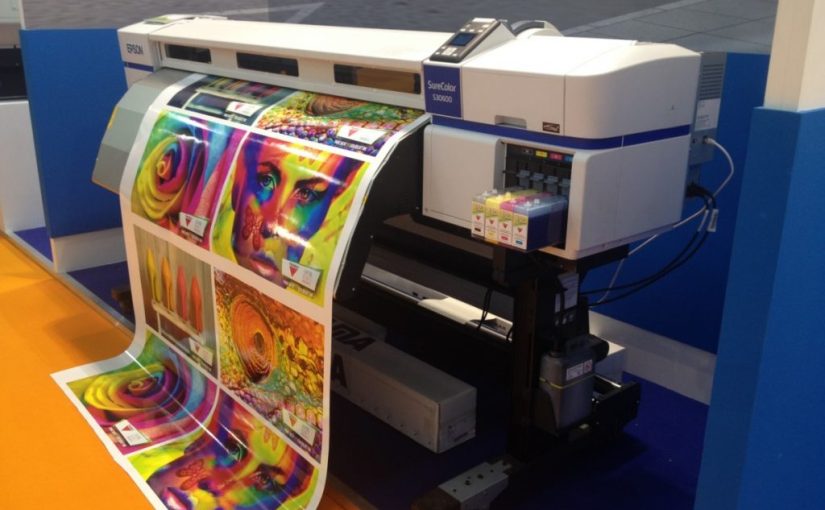
Digital printing has revolutionized the world of printing, allowing for faster, more efficient, and versatile production of printed materials. From business documents and marketing materials to personalized photo prints, digital printing has become a go-to technology for various printing needs. In this article, we will explore the basics of digital printing, understanding how it works, its advantages, and the various applications that make it an indispensable tool in today’s printing industry, click here to learn about how printing affects the environment and discover sustainable practices to minimize its ecological impact.
1. What is Digital Printing?
The Shift from Analog to Digital
Digital printing is a modern printing method that directly transfers digital files to a printing device, eliminating the need for traditional printing plates or screens. Unlike traditional analog printing methods, such as offset or screen printing, digital printing does not require extensive setup and is well-suited for on-demand and short-run printing.
The Role of Pixels
In digital printing, the image or content is represented in pixels, the smallest unit of a digital image. These pixels are precisely translated into dots of ink or toner, creating the printed image.

2. How Digital Printing Works
Electrophotography (Laser Printing)
One of the most common digital printing methods is electrophotography, commonly known as laser printing. In laser printing, a laser beam creates an electrostatic image on a rotating drum. The charged areas on the drum attract toner particles, which are then transferred to the paper and fused using heat to create the final print.
Inkjet Printing
Another popular digital printing technique is inkjet printing, which propels tiny droplets of ink onto the paper to form the printed image. Inkjet printers can use various types of ink, including dye-based and pigment-based inks, depending on the specific printing requirements.
3. Advantages of Digital Printing
Short Turnaround Times
Digital printing eliminates the need for time-consuming plate setup, making it ideal for quick-turnaround printing jobs. This is particularly beneficial for small print runs and on-demand printing needs.
Cost-Effective for Short Runs
With digital printing, there is no need to produce printing plates or screens, reducing setup costs. This makes digital printing more cost-effective for short print runs compared to traditional analog printing methods.
Variable Data Printing (VDP)
Digital printing allows for variable data printing (VDP), enabling personalized printing with unique content for each printed piece. VDP is invaluable for direct marketing campaigns and personalized documents.
4. Applications of Digital Printing
Business Documents
Digital printing is widely used for printing business documents, such as brochures, flyers, business cards, and letterheads. Its efficiency and versatility make it a preferred choice for small and medium-sized businesses.
Marketing Collaterals
Marketing materials, such as posters, banners, and postcards, benefit from the short turnaround times and cost-effectiveness of digital printing. Businesses can quickly produce promotional materials for events, trade shows, and product launches.
Personalized Photo Printing
Digital printing has transformed photo printing, allowing users to print high-quality photographs with vivid colors and fine details. With digital photo printers, individuals can create personalized photo prints and photo gifts easily.
5. Future Trends in Digital Printing
Advancements in Ink and Toner Technologies
Continued research and development in ink and toner technologies will lead to enhanced print quality, color accuracy, and longevity of prints.
3D Printing and Digital Printing Integration
The integration of 3D printing with digital printing holds the potential for innovative applications, such as adding textures or raised elements to printed materials.
Sustainable Printing Solutions
As environmental concerns grow, digital printing manufacturers are working towards more sustainable practices, including the use of eco-friendly inks and recycling programs.
Conclusion
Digital printing has transformed the printing industry, offering speed, efficiency, and versatility in producing a wide range of printed materials. From pixels to paper, digital printing allows for the seamless translation of digital files into high-quality prints. Its ability to handle short print runs, personalize content, and provide quick turnarounds has made it a preferred choice for businesses and individuals alike.
As technology continues to advance, digital printing will undoubtedly pave the way for even more exciting possibilities in the realm of printing, ushering in a new era of efficient and creative printing solutions.