
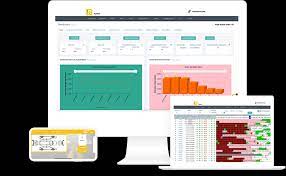
The car rental industry has experienced significant transformations over the years, from traditional rental desks to digital platforms. In this fast-evolving landscape, technology plays a pivotal role in revolutionizing operations and customer experiences. One of the most influential technological advancements is the introduction of car rental management systems. The Car Rental Management System simplifies the complexities of managing a car rental business, ensuring seamless operations and improved customer satisfaction. In this article, we will explore how these management systems are revolutionizing the car rental industry and shaping its future.
1. Streamlined Operations and Efficiency
Car rental management systems have redefined the way rental businesses operate. By automating manual processes and providing a centralized platform for reservations, bookings, and fleet management, these systems streamline operations and enhance efficiency. With streamlined processes, rental companies can allocate resources more effectively, reduce wait times, and optimize their rental fleet utilization, leading to improved overall performance.
2. Enhanced Customer Experience
Customer experience is paramount in the car rental industry. Car rental management systems empower rental companies to offer a seamless and personalized experience to their customers. From user-friendly online booking platforms to automated check-in and check-out processes, customers enjoy convenience and efficiency at every touchpoint. Enhanced customer experiences foster loyalty, positive reviews, and word-of-mouth referrals, driving sustained business growth.
%20(1).png)
3. Real-Time Fleet Tracking and Management
The ability to monitor and manage the rental fleet in real-time is a game-changer. Car rental management systems offer advanced tracking features that provide insights into the location, status, and availability of each vehicle. This real-time visibility enables rental companies to optimize fleet distribution, reduce downtime, and proactively schedule maintenance, ensuring a well-maintained and efficient fleet.
4. Dynamic Pricing Strategies
In a competitive market, pricing plays a crucial role in attracting customers. Car rental management systems provide valuable data and analytics, allowing rental companies to implement dynamic pricing strategies based on demand patterns and market trends. Dynamic pricing ensures competitive rates during low-demand periods, maximizing revenue during peak seasons, and maximizing profitability.
5. Comprehensive Reporting and Analytics
Data-driven decision-making is a key driver of success in the modern business landscape. Car rental management systems offer comprehensive reporting and analytics tools, providing rental companies with valuable insights into their performance, revenue, customer feedback, and operational efficiency. These data-driven insights enable rental companies to identify opportunities for improvement and make informed decisions that lead to continuous growth.
6. Integration with Mobility Solutions
As mobility solutions continue to shape the future of transportation, car rental management systems are embracing integration with these advancements. Many rental companies are partnering with ride-hailing services, public transportation networks, and electric vehicle charging stations, offering customers seamless travel experiences that combine different modes of transport.
7. Optimal Resource Allocation
Car rental management systems optimize resource allocation, allowing rental companies to allocate vehicles strategically across different locations and periods of high demand. By identifying peak seasons and adjusting the rental fleet accordingly, rental companies can maximize revenue while minimizing the risk of overbooking or vehicle shortages.
8. Increased Sustainability Efforts
Sustainability is becoming a growing concern in the car rental industry. Car rental management systems play a role in promoting sustainability by optimizing fleet management, encouraging eco-friendly vehicle choices, and implementing digital processes that reduce paper waste. These efforts align with customer expectations for environmentally responsible business practices.
9. Scalability for Business Growth
As car rental businesses expand, they need scalable solutions that can accommodate their growth. Car rental management systems are designed to scale seamlessly with business demands. Whether a rental company operates a single location or an extensive network, the system can adapt and grow in tandem with the business, ensuring consistent and efficient operations.
10. Evolution of Rental Models
Car rental management systems are driving the evolution of rental models. With the rise of car-sharing and subscription-based services, these systems offer flexible solutions for both short-term and long-term rentals. By embracing new rental models, rental companies can tap into emerging markets and diversify their offerings, expanding their customer base and driving revenue growth.
Conclusion
In conclusion, car rental management systems have revolutionized the car rental industry in ways that were once unimaginable. From streamlining operations and enhancing customer experiences to optimizing fleet management and promoting sustainability, these systems have become indispensable tools for rental companies seeking to thrive in a competitive market.
As technology continues to advance, the impact of car rental management systems will only grow stronger. Their ability to adapt to new trends, integrate with mobility solutions, and drive data-driven decisions will shape the future of car rentals. By embracing these powerful management systems, rental companies can lead the industry into a new era of efficiency, innovation, and customer-centricity.
So, join the revolution and leverage the potential of car rental management systems to redefine your business and pave the way for long-term success and prosperity in the dynamic and ever-evolving car rental industry.