
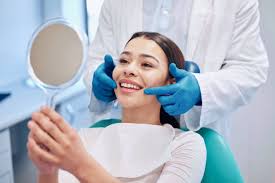
Good oral health is an important part of maintaining overall wellness. Healthy teeth and gums make it easier to eat, speak, and smile with confidence, while proper dental care can help prevent many common oral health problems. Daily brushing, flossing, a balanced diet, and regular professional check-ups all play an important role in keeping the mouth clean and healthy.
Dental care is not only about treating problems after they appear. Modern dentistry places a strong focus on prevention, early detection, and personalized treatment. From routine examinations and professional cleanings to restorative procedures and cosmetic treatments, dental professionals provide a wide range of services designed to protect teeth and gums at every stage of life. Understanding good dental habits can help people take better care of their smiles and recognize when professional attention may be necessary.
Building a Strong Daily Oral Care Routine
A consistent oral hygiene routine is one of the simplest ways to protect your teeth. Brushing twice a day with fluoride toothpaste helps remove food particles and plaque that can contribute to cavities and gum problems. Flossing once a day is also important because a toothbrush cannot effectively clean every area between the teeth.
The way you care for your mouth can have a long-term impact. Using a soft-bristled toothbrush and replacing it regularly can help clean the teeth without unnecessarily irritating the gums. It is also helpful to pay attention to the tongue, where bacteria can accumulate and contribute to unpleasant breath.
Along with these daily habits, people should consider their eating and drinking choices. Frequently consuming sugary foods and beverages can increase the risk of tooth decay. Drinking water throughout the day and choosing nutrient-rich foods can support healthier teeth and gums.
Why Regular Dental Check-Ups Matter
Even with excellent home care, professional dental visits remain an important part of maintaining oral health. During a routine appointment, a dental professional can examine the teeth and gums for signs of cavities, gum disease, worn enamel, or other concerns that may not be noticeable during everyday activities.
Regular appointments also provide an opportunity to receive professional cleaning. Plaque that remains on the teeth can eventually harden into tartar, which cannot always be removed effectively with ordinary brushing. Professional cleaning can help keep the teeth cleaner while supporting healthier gums.
For individuals looking for convenient professional dental care, visiting a Dentist in Wicker Park can provide access to routine examinations, preventive care, and treatment options based on individual oral health needs. Establishing a consistent relationship with a dental professional can also make it easier to discuss concerns and understand recommended treatments.
Recognizing Common Signs of Dental Problems
Some dental problems develop gradually, which means people may overlook early warning signs. Tooth sensitivity, persistent bad breath, bleeding gums, swelling, toothache, and discomfort when chewing can all indicate that professional evaluation may be appropriate.
A change in the appearance of the gums can also be worth discussing with a dental professional. Healthy gums generally do not bleed regularly during normal brushing or flossing. Persistent bleeding or swelling may be associated with gum problems and should not simply be ignored.
Regular examinations can help identify concerns before they become more complicated. Early attention may also provide more treatment options and help prevent minor issues from developing into larger dental problems.
Modern Approaches to Dental Treatment
Dentistry has changed considerably with advances in technology and treatment methods. Digital X-rays, intraoral cameras, computer-assisted planning, and other modern tools can help dental professionals examine oral structures and plan appropriate care.
Digital imaging can provide detailed views of areas that are difficult to see during a standard examination. In some cases, modern imaging systems can also support treatment planning for restorative procedures, implants, orthodontic care, and other dental services.
Technology has also improved the patient experience. Depending on the procedure, modern techniques may help make treatments more precise and efficient. Dental offices can use digital records and advanced equipment to organize patient information and create more personalized treatment plans.
Preventive Care for Long-Term Oral Health
Preventive dentistry is about taking action before serious dental problems develop. Regular examinations, professional cleanings, fluoride care when appropriate, and good home hygiene can all contribute to long-term oral health.
It is also important to communicate openly with your dental professional. If you experience tooth sensitivity, jaw discomfort, dental anxiety, or changes in your mouth, discussing these concerns during an appointment can help determine the appropriate next steps.
Children, adults, and older individuals may have different dental needs, so oral care should be adapted according to age, lifestyle, existing dental conditions, and individual risk factors. A personalized approach makes it easier to focus on the areas that require the most attention.
Making Dental Care a Long-Term Habit
Maintaining a healthy smile does not depend on one dental appointment or a single treatment. It is the result of small, consistent habits practiced over time. Brushing and flossing regularly, making sensible dietary choices, attending dental check-ups, and addressing unusual symptoms early can all contribute to better oral health.
Modern dental care combines preventive habits with advanced diagnostic and treatment techniques. By taking an active role in their oral health and maintaining regular communication with a dental professional, individuals can better protect their teeth and gums throughout their lives.
A healthy mouth can contribute to confidence, comfort, and everyday quality of life. Making dental care part of a regular wellness routine is a practical step toward maintaining a strong and healthy smile for years to come.