
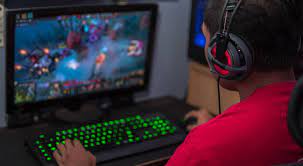
The advent of online gaming has not only transformed the entertainment industry but has also opened up new possibilities in the field of education. Educators and researchers have begun exploring the educational potential of online games, recognizing that gaming can be an effective tool for engaging learners, fostering critical thinking skills, and promoting collaboration. Online gaming has revolutionized the way people play, and ckbet is at the forefront of this digital revolution. In this article, we delve into the intersection of online gaming and education, highlighting the ways in which gaming can unlock the learning potential of individuals across various age groups.
Gamification of Education
Engaging and Motivating Learners
Online games have a unique ability to capture learners’ attention and motivate them to actively participate in the learning process. By incorporating elements of challenge, reward, and progression, games create an immersive and enjoyable environment that encourages learners to persist in their efforts and overcome obstacles. The inherent fun and excitement of gaming help foster a positive attitude towards learning, making educational content more engaging and memorable.
Development of Problem-Solving and Critical Thinking Skills
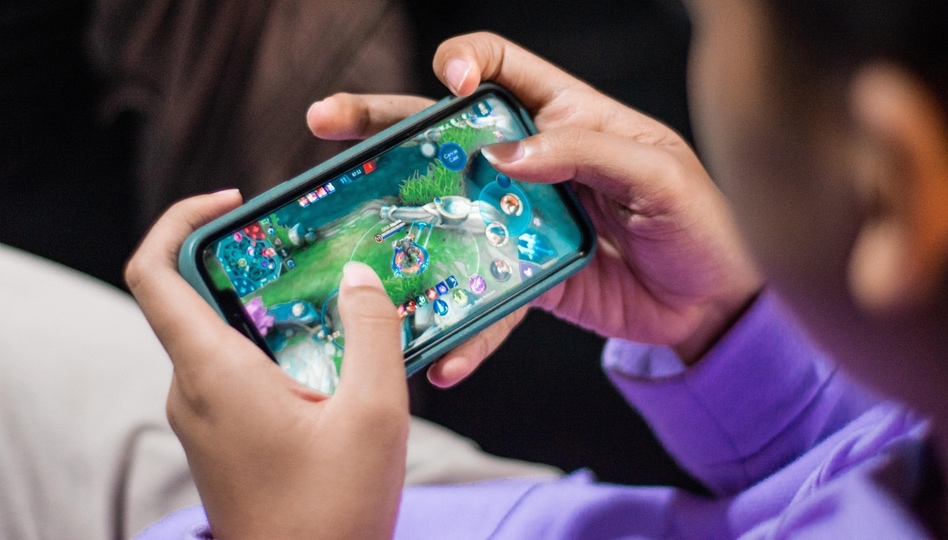
Many online games require players to think strategically, analyze information, and make decisions based on the available resources and constraints. By immersing learners in complex virtual worlds that present challenging problems and puzzles, gaming promotes the development of problem-solving and critical thinking skills. Players learn to analyze situations, consider multiple perspectives, and employ creative strategies to overcome obstacles—a valuable skill set that extends beyond the gaming context.
Collaboration and Communication
Online gaming often involves multiplayer modes that require collaboration and communication among players to achieve shared goals. Team-based games foster cooperation, effective communication, and the ability to work collectively towards a common objective. By engaging in online multiplayer experiences, learners develop social and collaborative skills that are essential in today’s interconnected world. These skills include teamwork, leadership, negotiation, and effective communication.
Online Gaming in Different Educational Settings
Formal Education
In formal educational settings, online gaming can be integrated into the curriculum to enhance learning experiences. Educational games specifically designed for academic subjects, such as mathematics, science, and history, provide interactive and immersive platforms for students to explore and apply their knowledge in a practical context. These games can supplement traditional teaching methods, allowing students to reinforce concepts, practice skills, and engage in experiential learning.
Informal Learning
Beyond formal education, online gaming offers opportunities for informal learning outside the classroom. Educational games and platforms provide accessible and self-paced learning experiences that cater to individual interests and learning styles. Learners can explore a wide range of topics, such as language learning, coding, and problem-solving, while enjoying the interactive and entertaining aspects of gaming. Informal learning through gaming allows individuals to pursue their interests, acquire new skills, and develop a lifelong love for learning.
Professional Development
Online gaming can also play a role in professional development, offering interactive and immersive training experiences. Serious games, designed specifically for skill development in various industries, provide simulated environments that allow professionals to practice and refine their abilities. For example, virtual simulations can be used for medical training, flight simulation, or customer service scenarios. Gaming-based professional development enhances skills, promotes decision-making under pressure, and fosters experiential learning.
Overcoming Challenges and Maximizing Benefits
While online gaming has significant potential for education, it is essential to address certain challenges and concerns:
Balancing Screen Time
Moderation is key when incorporating online gaming into educational settings. It is crucial to strike a balance between screen time for gaming and other activities, ensuring that learners have a well-rounded experience that includes physical activity, face-to-face interactions, and other forms of learning.
Ensuring Age-Appropriate Content
Educators and parents must carefully evaluate the content and age appropriateness of the games used for educational purposes. Games should align with learning objectives, offer appropriate challenges, and promote positive values.
Monitoring Online Interactions
In multiplayer online gaming environments, it is essential to provide guidance and monitoring to ensure a safe and respectful experience for learners. Educators and parents should emphasize the importance of responsible online behavior and digital citizenship.
Conclusion
Online gaming has emerged as a powerful tool for unlocking the learning potential of individuals across different age groups. By incorporating elements of challenge, engagement, and collaboration, online games offer unique opportunities for learners to develop critical thinking skills, problem-solving abilities, and social competencies. Whether used in formal education, informal learning, or professional development, online gaming has the potential to transform education, making it more enjoyable, interactive, and effective. By harnessing the educational potential of online gaming, we can create a generation of lifelong learners who are motivated, engaged, and prepared for the challenges of the future.