
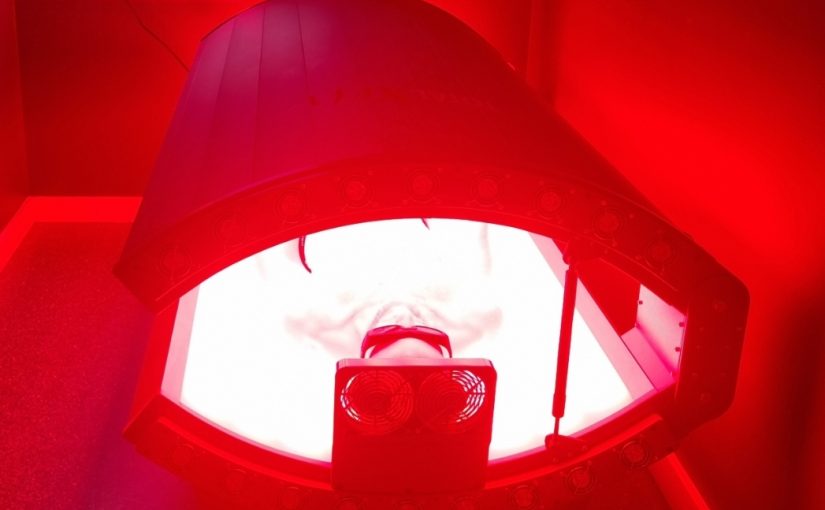
Red light therapy has attracted growing interest as people explore non-invasive approaches to wellness, skin care, and physical recovery. Whole Body Red Light Therapy uses red and near-infrared wavelengths to expose larger areas of the body to light in a controlled setting. The approach is often discussed in connection with photobiomodulation, a field that examines how specific wavelengths of light may influence cellular processes.
While research into red light therapy continues to develop, studies have investigated its potential applications in areas such as skin health, exercise recovery, and certain types of pain. Understanding how the therapy works, what researchers have found, and where its limitations lie can help people make informed decisions about incorporating it into a wellness routine.
How Red Light Therapy Works
Red light therapy, also called photobiomodulation, uses specific wavelengths of non-ionizing light. Red light generally targets more superficial tissues, while near-infrared wavelengths can penetrate deeper into tissue.
Researchers have proposed that light absorbed by cellular components may influence mitochondrial activity and other biological processes. These effects may involve cellular energy production and signaling pathways associated with tissue repair and inflammation. However, the exact biological mechanisms and degree of benefit can vary depending on wavelength, dose, treatment area, and individual circumstances.
Supporting Skin Health
One of the most widely discussed applications of red light therapy is skin care. Research has examined whether red and near-infrared light can influence collagen-related processes, skin texture, and signs associated with aging.
Some studies suggest that certain light-based treatments may support improvements in skin appearance. However, results can vary, and red light therapy should generally be viewed as one potential component of a broader skin-care routine rather than a guaranteed solution for every concern.
Exercise and Muscle Recovery
Athletes and active individuals have shown interest in photobiomodulation because of its potential relationship with exercise recovery. Researchers have investigated whether red and near-infrared light exposure may influence muscle performance, soreness, fatigue, or recovery following physical activity.
Some evidence suggests potential benefits in specific circumstances, although findings across studies are not always consistent. Factors such as treatment timing, light intensity, wavelength, and exercise type can influence outcomes.
Managing Certain Types of Discomfort
Another area of interest is the potential use of red and near-infrared light for pain management. Research has explored photobiomodulation for different musculoskeletal conditions and localized discomfort.
Although some studies report positive results, effectiveness can depend on the condition being treated and the treatment protocol used. People experiencing persistent or significant pain should seek appropriate medical evaluation rather than relying solely on light therapy.
Interest in Hair and Scalp Applications
Red light devices are also used in some approaches to hair and scalp care. Low-level light therapy has been studied particularly in relation to certain forms of hair loss.
The evidence is more established for some specific devices and conditions than for general full-body treatments. Anyone experiencing unexplained or significant hair loss should consider speaking with a qualified healthcare professional to identify the underlying cause.
Whole-Body Treatment Options
Unlike small handheld devices designed for specific areas, whole-body systems are designed to expose a larger portion of the body to red or near-infrared light.
The convenience of treating a larger area may appeal to people incorporating light therapy into a wellness routine. However, larger treatment areas do not automatically mean greater benefits. Device specifications, treatment protocols, and individual circumstances remain important considerations.
What to Consider Before Using Red Light Therapy
People considering a red light therapy device should pay attention to several factors:
- Wavelength: Different wavelengths interact with tissues differently.
- Treatment duration: Longer sessions are not necessarily more effective.
- Device specifications: Output and coverage can vary substantially between devices.
- Manufacturer instructions: Follow recommended distance, duration, and frequency.
- Eye protection: Follow the manufacturer’s guidance regarding eye safety.
- Individual circumstances: Certain medications and medical conditions may require additional caution.
Is Red Light Therapy Suitable for Everyone?
Red light therapy is generally considered non-invasive, but that does not mean every person or situation is automatically appropriate for treatment. People who take medications that increase sensitivity to light or who have specific medical conditions should discuss light therapy with a healthcare professional before using it.
It is also important to distinguish wellness claims from evidence supported by clinical research. A treatment that may help with one specific condition should not automatically be assumed to provide the same benefit for unrelated health concerns.
How to Use Red Light Therapy Responsibly
If you decide to explore red light therapy, start by understanding the specifications of the device and following the manufacturer’s instructions. Avoid assuming that more frequent or longer exposure will produce better results.
It can also be useful to maintain realistic expectations. Red light therapy may complement other wellness or treatment approaches, but it should not replace professional medical care when a health condition requires diagnosis or treatment.
The Future of Photobiomodulation
Research into photobiomodulation continues to expand, with scientists investigating its potential applications across dermatology, rehabilitation, exercise recovery, and other areas. As more controlled studies become available, researchers may gain a clearer understanding of which conditions benefit most and which treatment protocols are most effective.
The future of red light therapy will depend on continued research into dosage, wavelength, treatment schedules, and long-term safety.
Whole Body Red Light Therapy is an increasingly discussed wellness technology based on the principles of photobiomodulation. Research has explored potential applications involving skin health, exercise recovery, pain, and certain hair-loss conditions, although the strength of evidence varies between applications.
For anyone considering a whole-body system, understanding device specifications, following safety instructions, and maintaining realistic expectations are important. When used appropriately, red light therapy may have a place within a broader wellness routine, while ongoing research continues to clarify its potential benefits and limitations.