
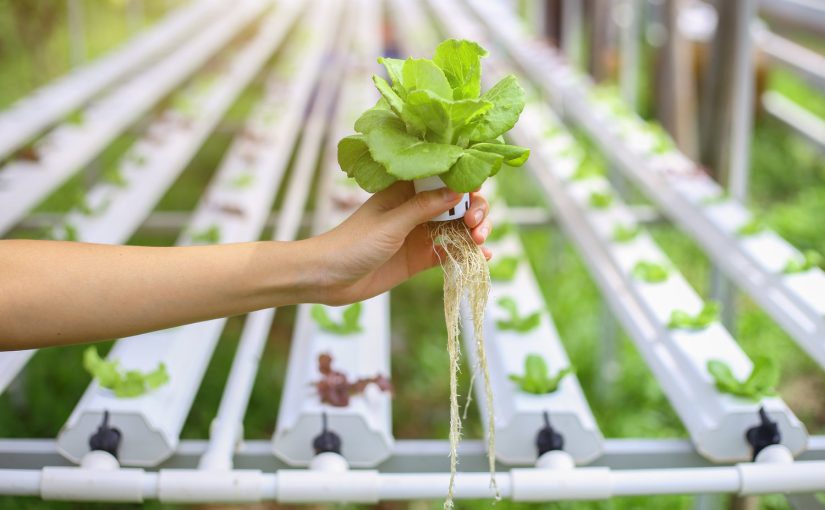
In the ever-evolving landscape of agriculture, traditional soil-based farming methods are encountering challenges related to resource scarcity, environmental degradation, and changing climate conditions. As a result, innovative approaches like hydroponic systems have gained prominence. These systems represent a dynamic shift in how we grow crops, offering an efficient, sustainable, and adaptable alternative to conventional farming. In this article, we delve into the world of hydroponic systems, exploring their mechanisms, benefits, challenges, and their potential to revolutionize the future of agriculture. For more information regarding hydroponic plant one can visit our site https://hydroponicglobal.com.au/.
Understanding Hydroponic Systems
Hydroponics is a method of growing plants without soil, using a nutrient-rich water solution to deliver essential elements directly to the plant roots. The word “hydroponics” itself is derived from the Greek words “hydro” (water) and “ponos” (labor), emphasizing the central role of water in this innovative farming technique.
Key Components of Hydroponic Systems
A hydroponic system comprises several essential components, each contributing to the success of soilless cultivation:
- Nutrient Solution: A carefully balanced mixture of essential nutrients and water is the lifeblood of hydroponic systems. This solution provides plants with everything they need for growth, including macronutrients like nitrogen (N), phosphorus (P), potassium (K), and micronutrients like iron (Fe), manganese (Mn), and zinc (Zn).
- Growing Medium: While hydroponics eschews traditional soil, it relies on various inert materials, such as perlite, vermiculite, coconut coir, or rock wool, to support plant roots. These materials provide structural support while allowing roots to access oxygen and nutrients.
- Reservoir: The nutrient solution is stored in a reservoir, from which it is pumped or allowed to flow to the plants as needed.
- Pump and Delivery System: A pump circulates the nutrient solution through the system, ensuring a continuous supply to the plant roots. Different delivery methods include drip systems, flood and drain systems, and nutrient film techniques (NFT).
- Light Source: Since hydroponic systems are often used in controlled environments like greenhouses or indoor farms, artificial lighting is essential for providing plants with the necessary energy for photosynthesis.
- Control Systems: Monitoring and control systems regulate environmental factors such as temperature, humidity, pH levels, and nutrient concentration to ensure optimal growing conditions.
Advantages of Hydroponic Systems
Hydroponic systems offer a range of benefits, making them an attractive choice for modern agriculture:
- Water Efficiency: Hydroponics is incredibly water-efficient, using up to 90% less water than traditional soil-based farming. This reduction in water consumption is especially critical in regions facing water scarcity.
- Resource Conservation: By eliminating the need for vast expanses of arable land, hydroponics conserves land resources, making it a viable option for urban agriculture and reducing the environmental footprint.
- Year-Round Production: Controlled environments enable year-round crop production, eliminating the dependency on seasons and weather conditions.
- Precise Nutrient Control: Growers can fine-tune nutrient solutions to match the specific needs of different crops and growth stages, resulting in faster growth, higher yields, and better crop quality.
- Reduced Pest and Disease Risk: Soilless cultivation minimizes the risk of soil-borne pests and diseases, reducing the need for chemical pesticides.
- Localization of Food Production: Hydroponic systems can be established in or near urban centers, reducing the distance food needs to travel to reach consumers and decreasing associated carbon emissions.
Types of Hydroponic Systems
Hydroponic systems come in various forms, each with its advantages and suitable applications. Some common types include:
- Nutrient Film Technique (NFT): In NFT systems, a thin film of nutrient solution continuously flows over plant roots, providing them with water and nutrients. It’s well-suited for leafy greens and herbs.
- Drip Systems: Drip systems deliver nutrient solution directly to the base of each plant using drip lines or emitters. They’re versatile and can be used for various crops.
- Deep Water Culture (DWC): In DWC systems, plant roots are submerged in the nutrient solution, with a constant supply of oxygen through air stones or diffusers. DWC is commonly used for growing lettuce and herbs.
- Aeroponics: Aeroponic systems suspend plant roots in the air and mist them with a nutrient solution. This method offers excellent oxygenation and is ideal for fast-growing plants.
- Wick Systems: Wick systems use capillary action to draw nutrient solution from a reservoir to the plant roots through a wick or similar material. They are simple but less suitable for large or fast-growing crops.
Challenges and Considerations
Despite its many advantages, hydroponics does present certain challenges:
- Technical Expertise: Operating a successful hydroponic system requires knowledge of plant nutrition, pH management, system maintenance, and troubleshooting. Skilled labor is essential.
- Initial Investment: Setting up and maintaining hydroponic systems, especially on a commercial scale, can be costly. However, the long-term benefits often justify the initial expense.
- Crop Selection: Not all crops are well-suited for hydroponic systems. Leafy greens, herbs, and some vine crops tend to thrive, while larger-rooted vegetables and fruit trees may be less practical.
The Future of Hydroponic Systems in Agriculture
Hydroponic systems are at the forefront of the quest for sustainable, efficient, and resource-conscious agriculture. As the world’s population continues to grow, and the challenges posed by climate change intensify, hydroponics offers a promising solution. Continued advancements in technology, increased accessibility for small-scale growers, and greater awareness of its benefits will likely drive its expansion.
In conclusion, hydroponic systems represent a revolutionary approach to agriculture. By maximizing resource efficiency, reducing environmental impact, and enabling year-round crop production, these systems offer a promising path toward a more resilient and food-secure future. As we confront the challenges of feeding a growing global population while safeguarding our planet, hydroponics stands as a beacon of innovation and sustainability in agriculture.